



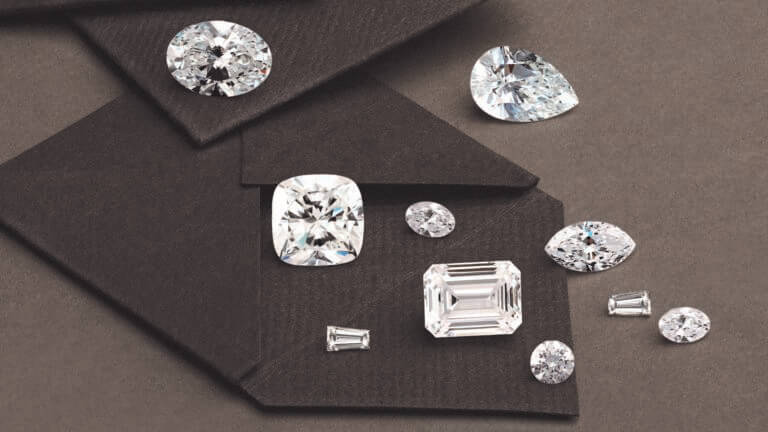


I’ll be honest — I didn’t expect to fall down a rabbit hole researching diamonds. Yet here I am, weeks later, absolutely fascinated by how technology, ethics, and love have collided in the sparkling world of fine jewellery.
The oval lab grown engagement ring has quietly become one of the most sought-after symbols of modern romance in Australia. You’ve probably seen one without realising it — a timeless oval cut diamond that seems to shimmer just a little differently. And here’s the twist: it wasn’t mined from deep underground. It was made — grown, actually — in a lab.
Now before you roll your eyes and think “Oh, synthetic?”, hear me out. Because lab made diamonds aren’t what most people imagine. They’re not fake, not glass, and definitely not cubic zirconia. They’re real diamonds, just born under controlled conditions rather than chaotic geological time. And once you dig into the details (no pun intended), you start to see why so many couples — from Melbourne to Manchester — are choosing them.
Table of Contents
There’s something about an oval diamond that feels quietly confident. It’s not as traditional as a round brilliant, nor as bold as an emerald cut. It sits somewhere in between — elegant, elongated, and effortlessly flattering on the hand.
When I spoke with a Sydney-based jeweller, she put it beautifully:
“The oval cut catches light like water. It’s fluid, alive, and has this beautiful illusion of size — so you get a larger-looking stone without a higher carat weight.”
That’s part of why the oval lab grown engagement ring has become a quiet favourite among modern brides. It’s a shape that photographs beautifully (a little secret for the Instagram era), and it’s versatile enough to suit minimalist settings or vintage-inspired bands.
What’s truly interesting, though, is how the story behind that sparkle has changed.
Diamonds, as we’ve long been told, are formed over billions of years under immense heat and pressure. They’re symbols of permanence, endurance, and natural wonder. But the diamond industry has also carried heavy baggage — environmental damage, carbon emissions, and in some regions, troubling human rights issues.
Lab grown diamonds flip that story on its head. Instead of mining, scientists recreate those same natural conditions using carbon and energy. The result? A diamond that’s optically, chemically, and physically identical to a mined one — just without the environmental footprint.
I was surprised to learn that you can’t tell the difference between a lab and a mined diamond without advanced equipment. Even professional gemologists need tools to spot it. It’s that seamless.
One jewellery consultant I spoke to laughed and said,
It’s a sensitive topic, I know. Engagement rings have always carried a mix of love, status, and expectation. But the truth is, most couples today are practical. We’re buying homes later, juggling careers, and trying to make meaningful financial decisions.
That’s where the oval lab grown engagement ring shines (pun intended this time). On average, a lab made diamond costs 30–50% less than its mined equivalent. That can mean the difference between a 1-carat and a 2-carat stone, or simply more budget left for the honeymoon or mortgage.
And yet, it doesn’t feel like a compromise. If anything, it feels like a smart, ethical upgrade — a way to express love and values in the same gesture.
When I started writing about sustainability years ago, I never imagined it would extend into something as personal as engagement rings. But for many young Australians, that’s exactly where the conversation is going.
Sustainability isn’t just about reusable coffee cups and solar panels — it’s woven into how we celebrate major milestones. Choosing a lab grown diamond can feel like a natural extension of that mindset.
You might not know this, but producing a lab diamond typically requires far less land and water, and emits significantly less CO₂. There’s no blasting through ecosystems or displacing communities. It’s a small but meaningful way to align your values with your purchase.
As one bride from Brisbane told me,
This is the question that comes up again and again, usually with a raised eyebrow. The short answer? Yes. 100% real.
A lab made diamond isn’t an imitation — it’s a diamond formed from pure carbon, with the same hardness, brilliance, and fire. The only difference lies in its origin story.
To put it another way: if a tree grows in a forest or in a greenhouse, it’s still a tree. The lab just gives scientists a way to grow that diamond faster and cleaner.
In fact, most major gemological institutes — including the GIA and IGI — now certify lab grown diamonds with the same rigorous standards used for mined ones. Every stone gets a grading report that details its cut, colour, clarity, and carat weight.
So when someone says, “Is that a real diamond?” you can confidently say, “Absolutely.”
Another interesting shift is how lab grown diamonds have made custom design more accessible. Since the price point is lower, couples can play with creative ideas — larger stones, intricate settings, unique metal combinations — without stretching beyond their means.
Jewellers across Australia are seeing more requests for bespoke pieces that tell a story. One Melbourne designer told me she’s noticed a trend toward “intentional design”: rings that incorporate family birthstones, hidden engravings, or mixed metals that symbolise personal journeys.
The oval cut in particular lends itself beautifully to this. Its elongated shape complements almost any setting — solitaire, halo, bezel, or even east-west orientation for something a bit unexpected.
It’s not about showing off. It’s about creating a piece that feels deeply personal. And that’s a lovely evolution from the more rigid traditions of decades past.
Let’s be real for a second — an engagement ring is never just about sparkle. It’s a symbol of love, commitment, and shared dreams. And while the diamond industry often sells us the fantasy, the real magic lies in what it represents.
What’s been fascinating to watch is how the meaning of that symbol is evolving. Couples today want rings that align with their ethics, reflect their individuality, and tell a story they’re proud of.
There’s something quite poetic about the idea of a diamond born from human innovation — a love story that’s both timeless and forward-thinking. It feels very 2025, doesn’t it?
Australia has always had a soft spot for innovation and environmental awareness, and lab grown diamonds fit right into that cultural sweet spot. Local jewellers are adapting quickly, sourcing from sustainable labs and offering transparent certifications.
There’s also a noticeable shift in consumer perception. What was once considered “alternative” is now quietly mainstream. Walk into boutique jewellers in Sydney, Perth, or Adelaide, and you’ll see entire collections dedicated to lab grown stones — often displayed right alongside mined ones.
And honestly, most shoppers don’t even realise there’s a difference until someone explains it. The sparkle speaks for itself.
If you value beauty, ethics, and smart spending, it’s hard to find a reason not to. The oval cut offers timeless elegance, while the lab grown origin gives it a modern conscience. It’s a fusion of style and substance — something you’ll feel proud to wear every day.
Of course, it’s still a deeply personal decision. Some people love the romance of a natural diamond, formed over millennia beneath the Earth. Others are drawn to the innovation and transparency of a lab grown one. There’s no wrong choice — only the one that feels right for you.
As one jeweller said to me with a smile,
I’ve written about a lot of trends over the years — fast fashion, ethical beauty, eco travel — but few have surprised me quite like this one. The rise of the oval lab grown engagement ring isn’t just about jewellery. It’s about how we redefine value, beauty, and responsibility in an ever-changing world.
It’s a love story for the modern age: one where science meets sentiment, where ethics meet elegance, and where every shimmer carries a little hope for a better, cleaner future.
So if you ever find yourself staring into that perfect oval sparkle and wondering what makes it shine — well, now you know. It’s not just light bouncing off a diamond. It’s the reflection of a new kind of love — thoughtful, conscious, and brilliantly real.
Land O Lakes New Construction: Shaping the Future of Suburban LivingPhnom Penh Neighborhood Guide: Where to Buy Property for High Rental Yields in 2026Best Neighborhoods for Families in Minnesota Why Engaging a Developer Agent is Non-Negotiable for Lentor Gardens ResidencesThe Tapestry of Urban Dreams: Narra and Chuan Grove ResidencesPrefab House Suppliers: Redefining Modern Housing Through Efficiency and InnovationLoose Diamonds, Big Choices: Why Lab-Grown Stones Are Changing the GameChuan Park & The Sen: A Tale of Two Choices – Buy Now or Pay the Price Later?Lab Grown Diamonds UK Wholesale Buyer GuideWhat Buyers Should Look for When Choosing a Suburb: Top Tips Revealed Moissanite vs Lab Grown Diamonds: Which Stone Is Right for You?
 Lab Diamonds Explained: Everything You Need to Know
 Ohio Housing: Why Defiance, Gahanna & Dayton Are Perfect for Your Next Home
 Ohio Housing: Why Defiance, Gahanna & Dayton Are Perfect for Your Next Home
 Spark Behind the Stone: Unpacking the Lab Grown Diamonds Novita Story
 Why Platinum Engagement Rings with Lab Grown Diamonds Are Stealing the Spotlight
 Diamond Bridal Wedding Jewellery: A Modern Australian’s Guide to Choosing Pieces
.jpg "The Timeless Beauty of Vintage Engagement Rings NZ and the Rise of Lab Created Diamonds") The Timeless Beauty of Vintage Engagement Rings NZ and the Rise of Lab Created Diamonds
The Timeless Beauty of Vintage Engagement Rings NZ and the Rise of Lab Created Diamonds The Modern Elegance of Dress Rings Lab DiamondsWhy Everyone’s Talking About the Oval Lab Grown Engagement Ring
 How Foster Remodeling Solutions Makes Your Dream Home a Reality
 Aros Diamantes de Laboratorio Are Stealing the Spotlight
 What Affects Your Home Value in Brantford
  Why Every Neighbourhood Needs a Backyard Pool Party Tradition
 What to Do When a Tree’s Leaves Turn Yellow
 Discovering Lab Diamonds Through a Comprehensive Listado de Diamantes
 Lab Grown Diamond Studs and Lab Made Diamonds: A Modern Luxury Redefined
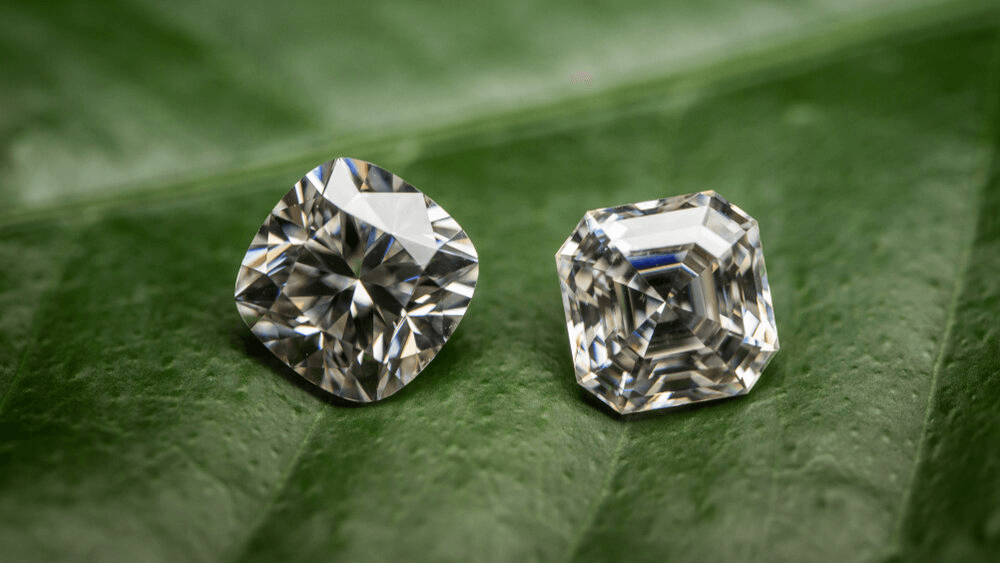 Moissanite vs Diamond, Lab Grown Diamonds: A Modern Gemstone Dilemma
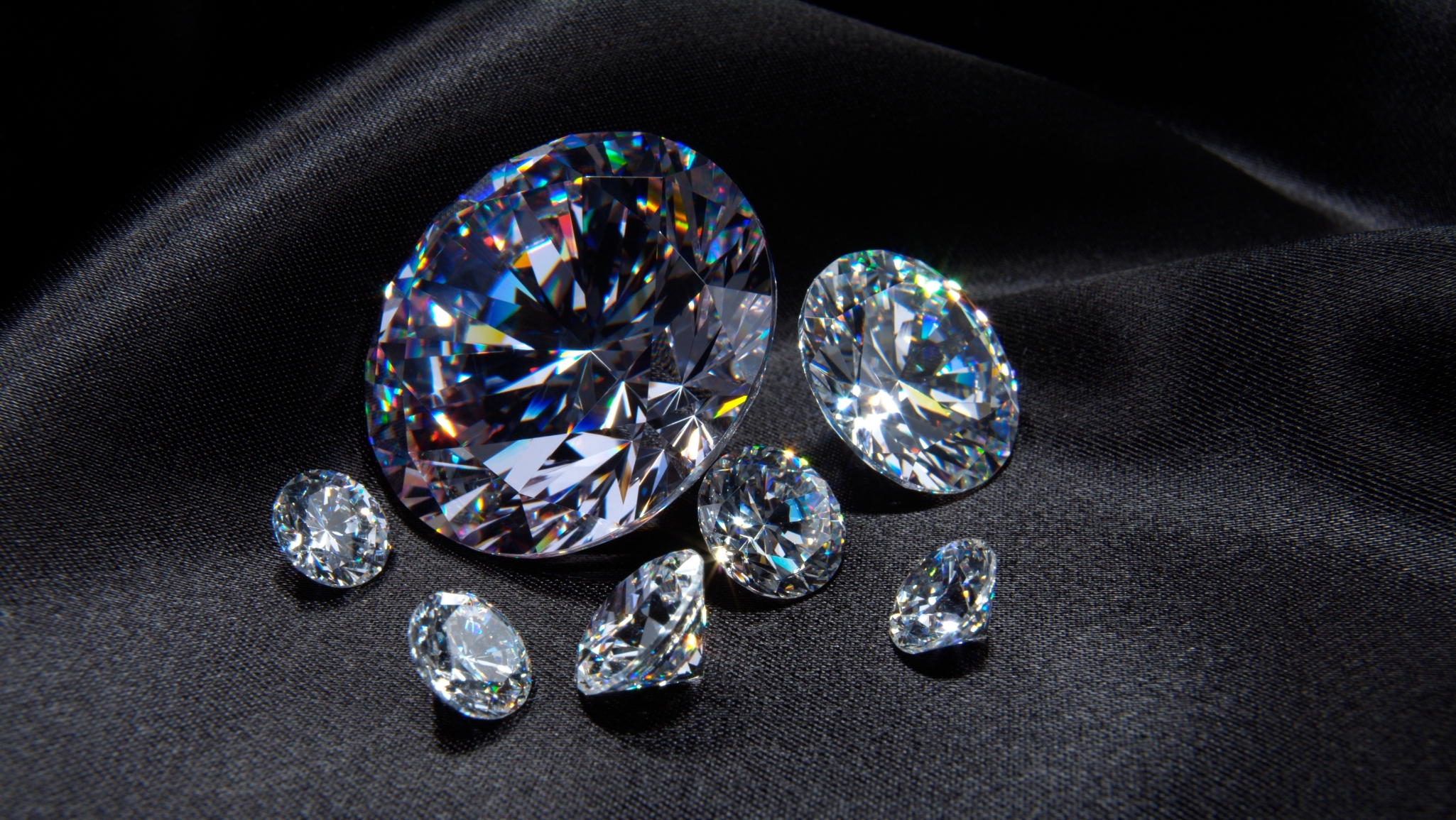 Yellow Gold Rings: A Timeless Classic in Modern Jewelry
 Navigating Self Check-In in Italy: Legal Uncertainty and Practical Solutions for Property Managers
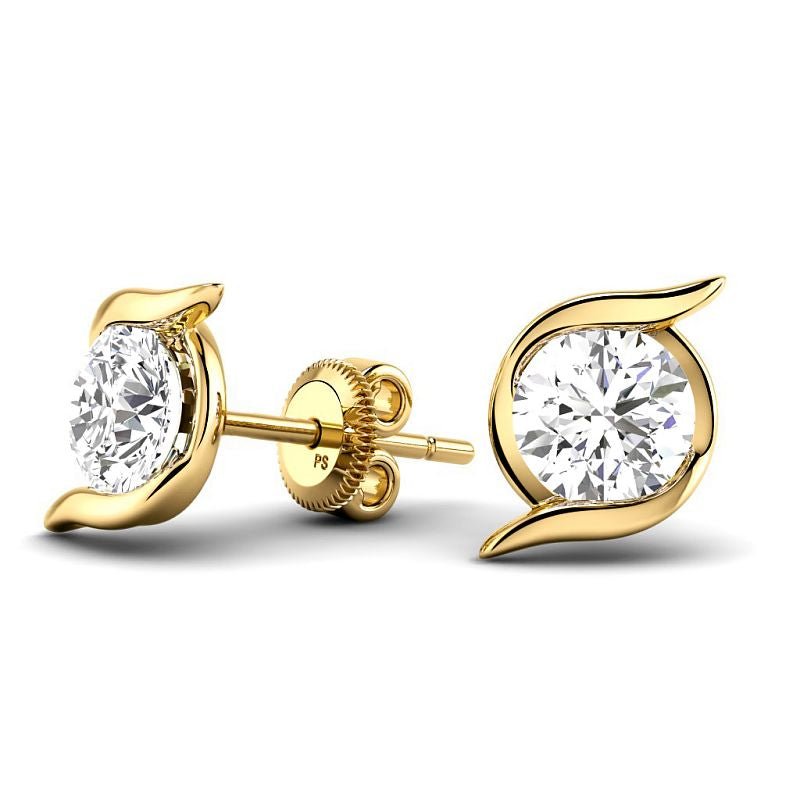 Timeless Elegance: Lab Grown Diamond Studs Featuring Lab Made Diamonds
 Step-by-Step Guide to Buying Off-Plan Property in Dubai