



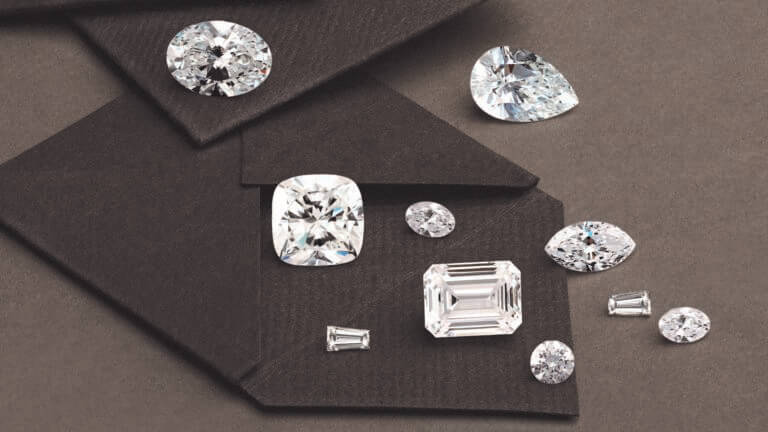


If you’d told me ten years ago that diamonds grown in a lab—yes, an actual lab—would not only rewrite the jewellery industry but also spark one of the most inspiring modern business stories I’ve come across, I probably would’ve smiled politely and changed the subject. Back then, the idea sounded like something out of a sci-fi film. Yet here we are, watching an entire market shift as couples, collectors, and curious shoppers rethink what a “real” diamond can be.
Lately, I’ve been diving into sustainable fashion stories for work, and somewhere along the way, I stumbled into the lab grown diamonds novita story. I didn’t expect it to grip me quite this much, but there’s something genuinely refreshing about a brand challenging old norms—with a surprisingly human backstory to match. And honestly, it’s a story worth telling, especially now, when so many people are balancing their love for beautiful things with a desire to tread a little lighter on the planet.
Table of Contents
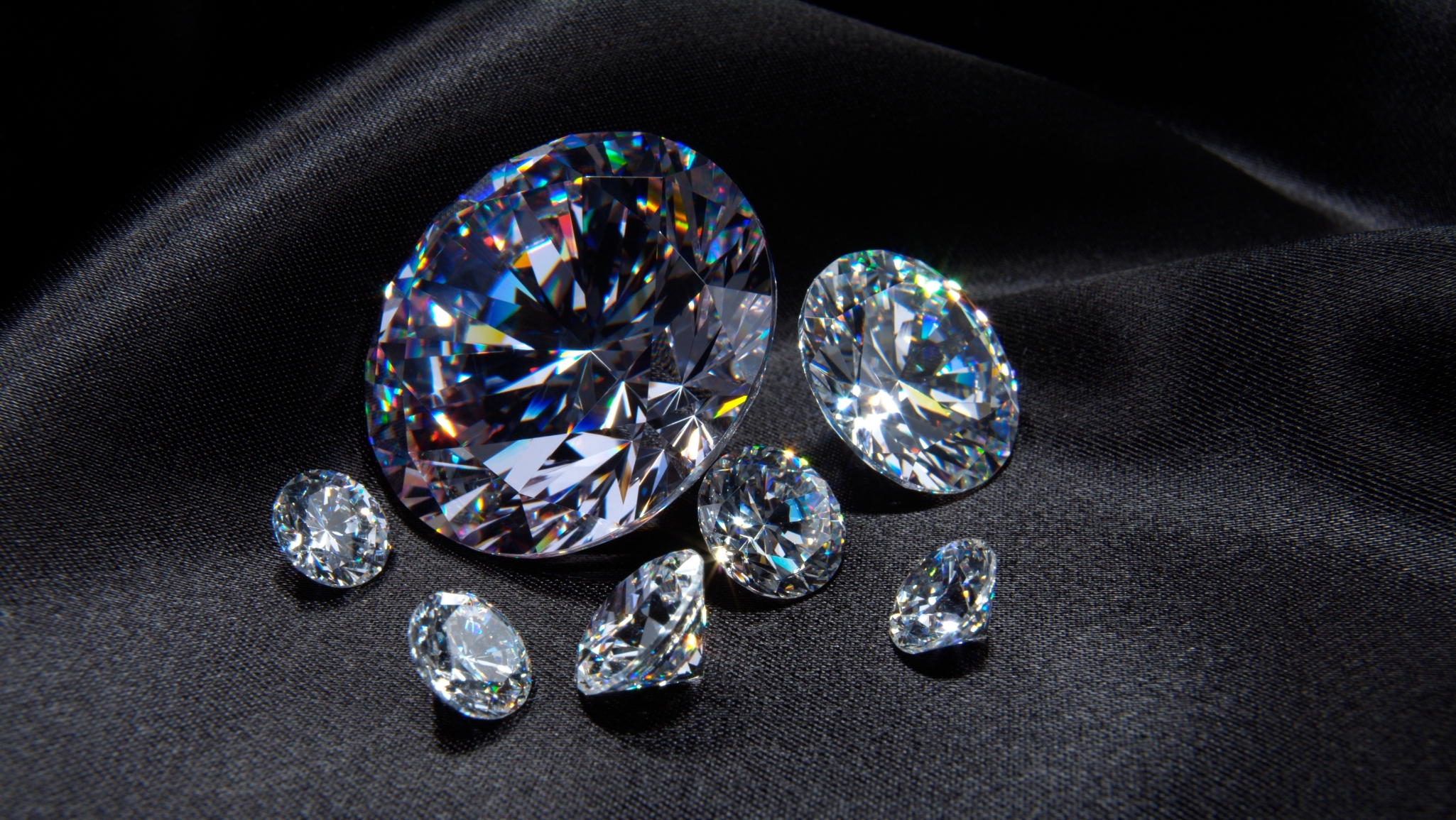
The funny thing is, most people think lab grown diamonds are some kind of “shortcut” or imitation. You might’ve even heard someone say, usually at a barbecue after their second beer, “But they’re not real, right?” And every time, I find myself explaining: they’re absolutely real. Same sparkle, same structure, same durability. The only real difference is the postcode of their birth.
Instead of being pulled from deep under the earth—often with a hefty environmental footprint—these gems are cultivated with advanced technology that replicates the natural diamond-forming process. The result? A diamond that’s chemically and visually identical to a mined one.
But even that isn’t the whole story. What fascinates me is how these stones have quietly become cultural markers. They signal that you care about ethics, transparency, and access. That you’re not intimidated by challenging old beliefs. And perhaps, that you’re willing to celebrate love or achievement without contributing to environmental harm.
The lab grown diamonds novita story begins with something you might not expect: frustration. Not the dramatic kind—just the quiet irritation that bubbles up when you realise an industry you love is seriously overdue for change. The founders behind Novita had backgrounds in traditional jewellery, and as I learned more about them, I found myself nodding along. They saw the inefficiencies, the secrecy, the rising costs, the ethical concerns… and thought, “There has to be a better way.”
So rather than just complaining about the old system, they went and built a new one from scratch.
If you’re curious, it’s worth reading their full lab grown diamonds novita story, because it’s a surprisingly candid look at how a modern jewellery brand can blend innovation with values. They set out to make diamonds more accessible, more ethically aligned, and—this is the part I particularly appreciate—more honest in how they’re sold.
What struck me most wasn’t the tech or the pricing model, but the genuine sense that their mission grew out of wanting to serve real people better. Not a boardroom. Not a trend cycle. Actual couples. Actual shoppers. Actual humans who want beauty without compromise.
And that’s probably why their story resonates so strongly with so many Australians I speak to. We like things straight. We value transparency. And we’ve never been too fond of unnecessary markups or elitism.
There’s a line I heard once from a jeweller in Melbourne who quietly admitted he used to scoff at lab grown gems. “Then customers started asking for them,” he said, “and not for cost reasons—for values reasons.” That’s when he realised a genuine shift was happening.
We’re living in an era where people read the fine print, Google everything, and avoid brands that feel even slightly dodgy. So it’s no surprise that conversations around man made diamonds have expanded from niche blogs to mainstream bridal magazines.
A lot of people still ask, “Why choose a lab diamond over a mined one?” That’s usually when I share a link like this helpful guide on the benefits of man made diamonds, which breaks it down in a way that doesn’t feel preachy or technical. But beyond the obvious environmental and ethical perks, I’ve noticed something deeper at play.
It seems consumers today aren’t just buying jewellery—they’re buying alignment. With their beliefs. With their identity. With the world they want to live in.
A mined diamond says, “I love tradition.”
A lab grown diamond often says, “I love the future.”
Neither message is wrong. But they’re noticeably different, and that distinction is reshaping the industry faster than many insiders expected.
As a lifestyle journalist, I’ve interviewed plenty of designers who use words like “accessible luxury” and “modern refinement” until the phrases start losing meaning. But with lab grown diamonds, I think those buzzwords actually stick.
Because here’s the thing: when you remove the heavy environmental burden and the inflated supply-chain costs, luxury suddenly becomes… well, more democratic. People don’t have to stretch themselves financially just to meet some arbitrary engagement-ring price expectation. You can choose brilliance and quality without feeling like you’re playing into a tradition that doesn’t fit your values.
I’ve spoken to couples who said their decision to go with a lab diamond allowed them to redirect savings into a home deposit, a honeymoon, or even IVF treatments. That’s when jewellery stops being just an accessory and becomes a meaningful part of life’s bigger picture.
One thing that makes Novita particularly interesting is that they didn’t just join the movement—they helped shape how people talk about it. Their stores feel contemporary, uncluttered, and honestly, a bit calming. The staff tend to explain things without slipping into sales-speak, which is refreshing when you’re making a major purchase.
What’s clever is how Novita blends transparency with empowerment. They don’t just say, “Here’s your diamond, trust us.” They show customers the science, the grading, the comparisons, the sustainability data. They teach rather than sell.
And perhaps that’s why the lab grown diamonds novita story has become such a strong part of the brand’s identity. It’s proof that you can be disruptive without being abrasive. You can modernise an industry without losing its romance.
I once interviewed a bride who laughed as she told me her grandmother thought lab diamonds were “too modern” to be sentimental. But then her grandfather chimed in and said, “If your marriage is built on love instead of geology, you’ll be fine.”
I loved that.
Because while lab grown diamonds are products of technology, the emotions attached to them are as old as humanity itself—commitment, celebration, achievement, remembrance. A diamond doesn’t become more meaningful because it spent a billion years underground. It becomes meaningful because of the story you attach to it.
And maybe that’s why I find Novita’s journey so interesting: it reminds us that innovation and sentiment don’t have to clash. They can coexist beautifully.
I don’t think mined diamonds will disappear. They have historical significance and deep cultural roots. But I do think the marketplace is becoming far more balanced—and far more conscious—than ever before.
People want choices that reflect who they are, without judgment or outdated expectations. And that’s the magic of this whole movement. Whether you choose a mined gem, a lab grown diamond, or something else entirely, the power is shifting into the hands of the buyer.
Brands like Novita didn’t just ride that wave—they helped create it.
If there’s one thing I’ve learned while exploring the growing world of lab diamonds, it’s that stories matter just as much as stones. The lab grown diamonds novita story isn’t simply about a company tapping into new technology. It’s about challenging conventions with purpose. About giving customers a fairer, cleaner, more modern way to celebrate life’s important moments.
And maybe, in some small way, it’s a reminder that progress doesn’t have to be cold or clinical. It can be warm. Human. Even romantic.
So whether you’re ring-shopping, researching, or just curious about how tech is reshaping luxury, remember this: the future of jewellery isn’t about replacing tradition—it’s about expanding it.
Land O Lakes New Construction: Shaping the Future of Suburban LivingPhnom Penh Neighborhood Guide: Where to Buy Property for High Rental Yields in 2026Best Neighborhoods for Families in Minnesota Why Engaging a Developer Agent is Non-Negotiable for Lentor Gardens ResidencesThe Tapestry of Urban Dreams: Narra and Chuan Grove ResidencesPrefab House Suppliers: Redefining Modern Housing Through Efficiency and InnovationLoose Diamonds, Big Choices: Why Lab-Grown Stones Are Changing the GameChuan Park & The Sen: A Tale of Two Choices – Buy Now or Pay the Price Later?Lab Grown Diamonds UK Wholesale Buyer GuideWhat Buyers Should Look for When Choosing a Suburb: Top Tips Revealed Moissanite vs Lab Grown Diamonds: Which Stone Is Right for You?
 Lab Diamonds Explained: Everything You Need to Know
 Ohio Housing: Why Defiance, Gahanna & Dayton Are Perfect for Your Next Home
 Ohio Housing: Why Defiance, Gahanna & Dayton Are Perfect for Your Next HomeSpark Behind the Stone: Unpacking the Lab Grown Diamonds Novita Story
 Why Platinum Engagement Rings with Lab Grown Diamonds Are Stealing the Spotlight
 Diamond Bridal Wedding Jewellery: A Modern Australian’s Guide to Choosing Pieces
.jpg "The Timeless Beauty of Vintage Engagement Rings NZ and the Rise of Lab Created Diamonds") The Timeless Beauty of Vintage Engagement Rings NZ and the Rise of Lab Created Diamonds
The Timeless Beauty of Vintage Engagement Rings NZ and the Rise of Lab Created Diamonds The Modern Elegance of Dress Rings Lab Diamonds
 Why Everyone’s Talking About the Oval Lab Grown Engagement Ring
 How Foster Remodeling Solutions Makes Your Dream Home a Reality
 Aros Diamantes de Laboratorio Are Stealing the Spotlight
 What Affects Your Home Value in Brantford
  Why Every Neighbourhood Needs a Backyard Pool Party Tradition
 What to Do When a Tree’s Leaves Turn Yellow
 Discovering Lab Diamonds Through a Comprehensive Listado de Diamantes
 Lab Grown Diamond Studs and Lab Made Diamonds: A Modern Luxury Redefined
 Moissanite vs Diamond, Lab Grown Diamonds: A Modern Gemstone Dilemma
 Yellow Gold Rings: A Timeless Classic in Modern Jewelry
 Navigating Self Check-In in Italy: Legal Uncertainty and Practical Solutions for Property Managers
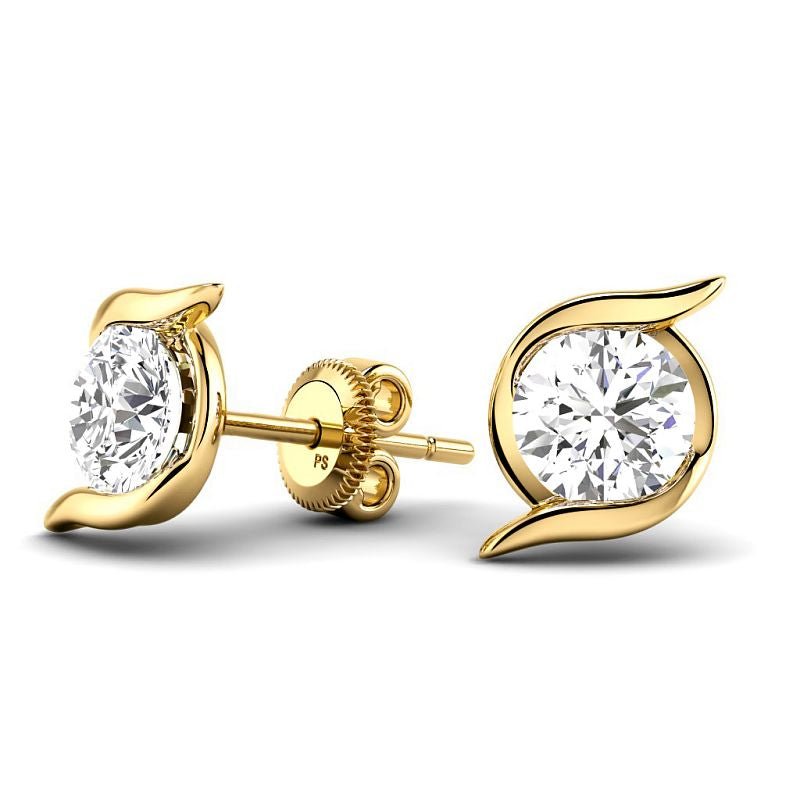 Timeless Elegance: Lab Grown Diamond Studs Featuring Lab Made Diamonds
 Step-by-Step Guide to Buying Off-Plan Property in Dubai