





Table of Contents

When you shop for a fine ring or pendant you face more choices than ever. Natural diamonds no longer stand alone. Lab grown diamonds and moissanite now compete for your attention. Each option looks similar at first glance yet behaves differently in daily use and ownership. This article breaks down the real differences so you can decide with confidence. You will learn how each stone performs how it is priced and how it fits different buying goals.
Moissanite is a gemstone made from silicon carbide. It was first discovered in nature but today all moissanite used in jewelry is lab created. The stone is engineered for optical performance and durability. Its structure is not the same as diamond even though the appearance can overlap.
Moissanite is not marketed as a diamond substitute in a technical sense. It is its own gemstone with distinct properties. This matters when you consider light behavior wear over time and value.
Lab diamonds are real diamonds. They share the same chemical and physical structure as mined diamonds. The only difference is origin. Lab diamonds are grown in controlled environments using advanced technology. Two main methods are used called HPHT and CVD.
Because they are diamonds lab diamonds are graded by the same standards as mined diamonds. Cut color clarity and carat still apply. For practical purposes they perform the same in daily wear.
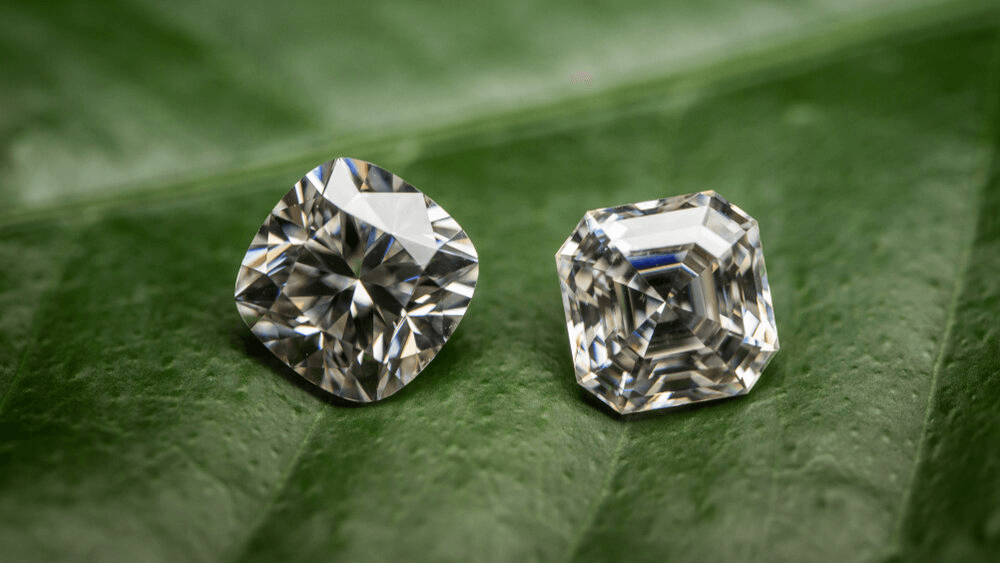
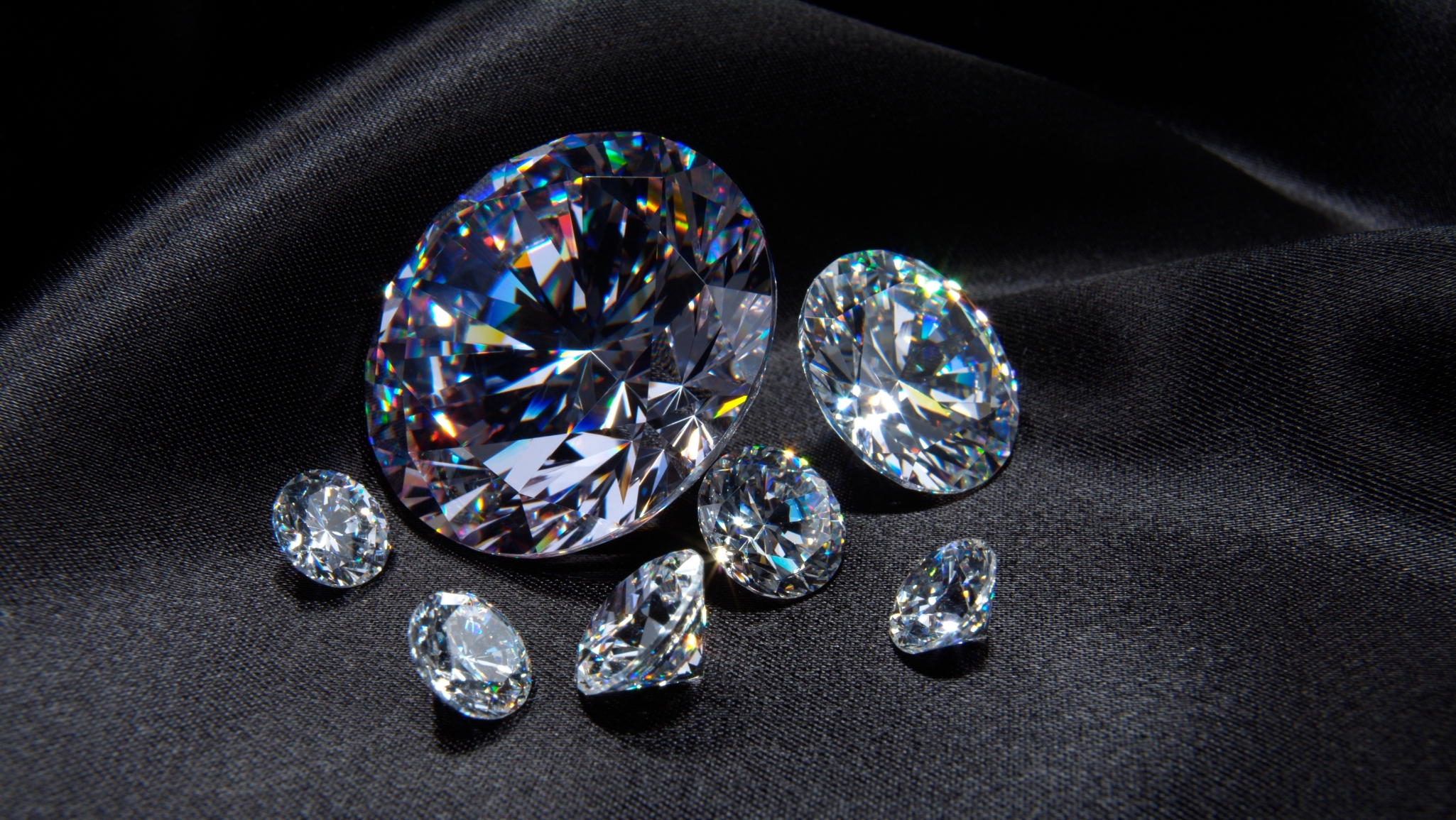
At a distance moissanite and lab diamonds can look alike. Up close trained eyes notice differences. Moissanite produces more fire which means flashes of rainbow color. This can make the stone appear more lively but also less subtle.
Lab diamonds reflect light in a way most people associate with classic diamond brilliance. The sparkle is sharper and more white. If you prefer a traditional look lab diamonds usually align better with that preference.
Under certain lighting moissanite can appear overly bright. Some people enjoy this effect. Others feel it looks artificial. Your taste matters here more than any rule.
Hardness affects how a stone resists scratches. Diamond ranks at the top of the Mohs scale. Lab diamonds share this rating. This makes them suitable for daily wear with minimal risk of surface damage.
Moissanite is also very hard. It ranks slightly below diamond. In practical terms it performs well for rings and bracelets. You are unlikely to scratch it during normal use. However over many years diamond remains more resistant.
If you plan to wear the piece every day for decades lab diamonds offer maximum long term durability. Moissanite still performs well but it is not identical.
Price is where these stones diverge sharply. Moissanite costs much less per carat than lab diamonds. This allows you to buy a larger stone for the same budget. For some buyers size takes priority.
Lab diamonds cost more than moissanite but less than mined diamonds. You pay for true diamond material and grading standards. Prices vary widely based on quality.
Resale value is often discussed but rarely relevant for most buyers. Jewelry is not a reliable investment. Buy based on use and satisfaction not future resale.
Both options avoid traditional mining. This reduces land disruption and labor concerns. However energy use varies by producer. Some labs use renewable power while others do not.
Moissanite production generally uses less energy per carat than diamond growth. Lab diamonds require intense heat and pressure or extended growth cycles.
If environmental impact matters to you ask for sourcing details. Do not assume all lab stones are equal.
Lab diamonds are graded by major gemological labs. You receive reports similar to mined diamonds. This helps you compare quality across sellers.
Moissanite is not graded by diamond labs in the same way. Some sellers provide in house reports. Standards vary. You rely more on vendor reputation.
If you value standardized grading lab diamonds offer more structure. If you value simplicity moissanite can still work if you trust the source.
Both stones can be set in common metals. Platinum gold and silver are all suitable. Jewelers are familiar with lab diamonds. Moissanite is also widely accepted.
Because moissanite is lighter you may notice differences in how larger stones feel. This rarely affects design but can influence comfort in oversized rings.
If you want a traditional engagement ring design lab diamonds integrate seamlessly. Moissanite works well in modern or bold designs.
This factor may or may not matter to you. Some people care deeply about whether a stone is a diamond. Others do not.
Lab diamonds are diamonds. Most people will not distinguish them from mined stones. Moissanite may be noticed by those familiar with jewelry due to its sparkle pattern.
If social perception matters choose lab diamonds. If personal enjoyment matters more choose what appeals to your eye.
Both stones are easy to maintain. Warm water mild soap and a soft brush work well. Neither stone requires special treatment.
Because moissanite attracts oils slightly more than diamond you may need to clean it more often to maintain brilliance. This is a minor issue but worth noting.
Lab diamond jewelry can be appraised like mined diamond jewelry. Insurance companies recognize them easily. Appraisal values reflect replacement cost not purchase price.
Moissanite can also be insured but appraisal practices vary. Some insurers base coverage on invoice value.
If insurance simplicity matters lab diamonds offer fewer questions.
Moissanite suits buyers who want visual impact at a lower cost. If you enjoy bold sparkle and larger sizes it delivers strong value. It works well for fashion jewelry and statement rings.
It also suits buyers who do not care about diamond classification. If the look pleases you that is enough.
Lab diamonds suit buyers who want true diamond properties without mining. If you value tradition durability and standardized grading they make sense.
They are ideal for engagement rings and heirloom pieces. They carry the same symbolism as mined diamonds without the same sourcing concerns.
The choice between moissanite vs diamond lab diamonds comes down to priorities. There is no universal winner. Each stone serves a different purpose.
If you want maximum sparkle for the lowest cost moissanite is compelling. If you want classic diamond behavior with modern sourcing lab diamonds deliver.
Take time to view both stones in person. Lighting conditions matter. Your eye will guide you better than specifications alone.
When you understand the real differences in moissanite vs diamond lab diamonds you can choose based on use not hype. That leads to satisfaction long after the purchase.
Land O Lakes New Construction: Shaping the Future of Suburban LivingPhnom Penh Neighborhood Guide: Where to Buy Property for High Rental Yields in 2026Best Neighborhoods for Families in Minnesota Why Engaging a Developer Agent is Non-Negotiable for Lentor Gardens ResidencesThe Tapestry of Urban Dreams: Narra and Chuan Grove ResidencesPrefab House Suppliers: Redefining Modern Housing Through Efficiency and InnovationLoose Diamonds, Big Choices: Why Lab-Grown Stones Are Changing the GameChuan Park & The Sen: A Tale of Two Choices – Buy Now or Pay the Price Later?Lab Grown Diamonds UK Wholesale Buyer GuideWhat Buyers Should Look for When Choosing a Suburb: Top Tips RevealedMoissanite vs Lab Grown Diamonds: Which Stone Is Right for You? Lab Diamonds Explained: Everything You Need to Know
 Ohio Housing: Why Defiance, Gahanna & Dayton Are Perfect for Your Next Home
 Ohio Housing: Why Defiance, Gahanna & Dayton Are Perfect for Your Next Home
 Spark Behind the Stone: Unpacking the Lab Grown Diamonds Novita Story
 Why Platinum Engagement Rings with Lab Grown Diamonds Are Stealing the Spotlight
 Diamond Bridal Wedding Jewellery: A Modern Australian’s Guide to Choosing Pieces
.jpg "The Timeless Beauty of Vintage Engagement Rings NZ and the Rise of Lab Created Diamonds") The Timeless Beauty of Vintage Engagement Rings NZ and the Rise of Lab Created Diamonds
The Timeless Beauty of Vintage Engagement Rings NZ and the Rise of Lab Created Diamonds The Modern Elegance of Dress Rings Lab Diamonds
 Why Everyone’s Talking About the Oval Lab Grown Engagement Ring
 How Foster Remodeling Solutions Makes Your Dream Home a Reality
 Aros Diamantes de Laboratorio Are Stealing the Spotlight
 What Affects Your Home Value in Brantford
  Why Every Neighbourhood Needs a Backyard Pool Party Tradition
 What to Do When a Tree’s Leaves Turn Yellow
 Discovering Lab Diamonds Through a Comprehensive Listado de Diamantes
 Lab Grown Diamond Studs and Lab Made Diamonds: A Modern Luxury Redefined
 Moissanite vs Diamond, Lab Grown Diamonds: A Modern Gemstone Dilemma
 Yellow Gold Rings: A Timeless Classic in Modern Jewelry
 Navigating Self Check-In in Italy: Legal Uncertainty and Practical Solutions for Property Managers
 Timeless Elegance: Lab Grown Diamond Studs Featuring Lab Made Diamonds
 Step-by-Step Guide to Buying Off-Plan Property in Dubai