





When it comes to selecting a stunning center stone for an engagement ring or fine jewelry, the debate often circles around moissanite vs diamond, and increasingly, lab grown diamonds. Each gemstone offers unique benefits, aesthetic qualities, and ethical considerations, making the choice more about lifestyle and values than simply cost. In today’s jewelry market, understanding the nuances between these stones is crucial for making an informed decision that aligns with your priorities.
Let’s explore the major differences between moissanite, natural diamonds, and lab-created diamonds, touching on appearance, durability, sustainability, and cost to help you decide which gem sparkles best for your needs.
Table of Contents
Moissanite is a gemstone born from the stars—literally. It was first discovered in 1893 by French scientist Henri Moissan in a meteor crater. Though initially mistaken for diamond due to its dazzling appearance, moissanite is actually made of silicon carbide. Because natural moissanite is extremely rare, virtually all moissanite on the market today is lab-created.
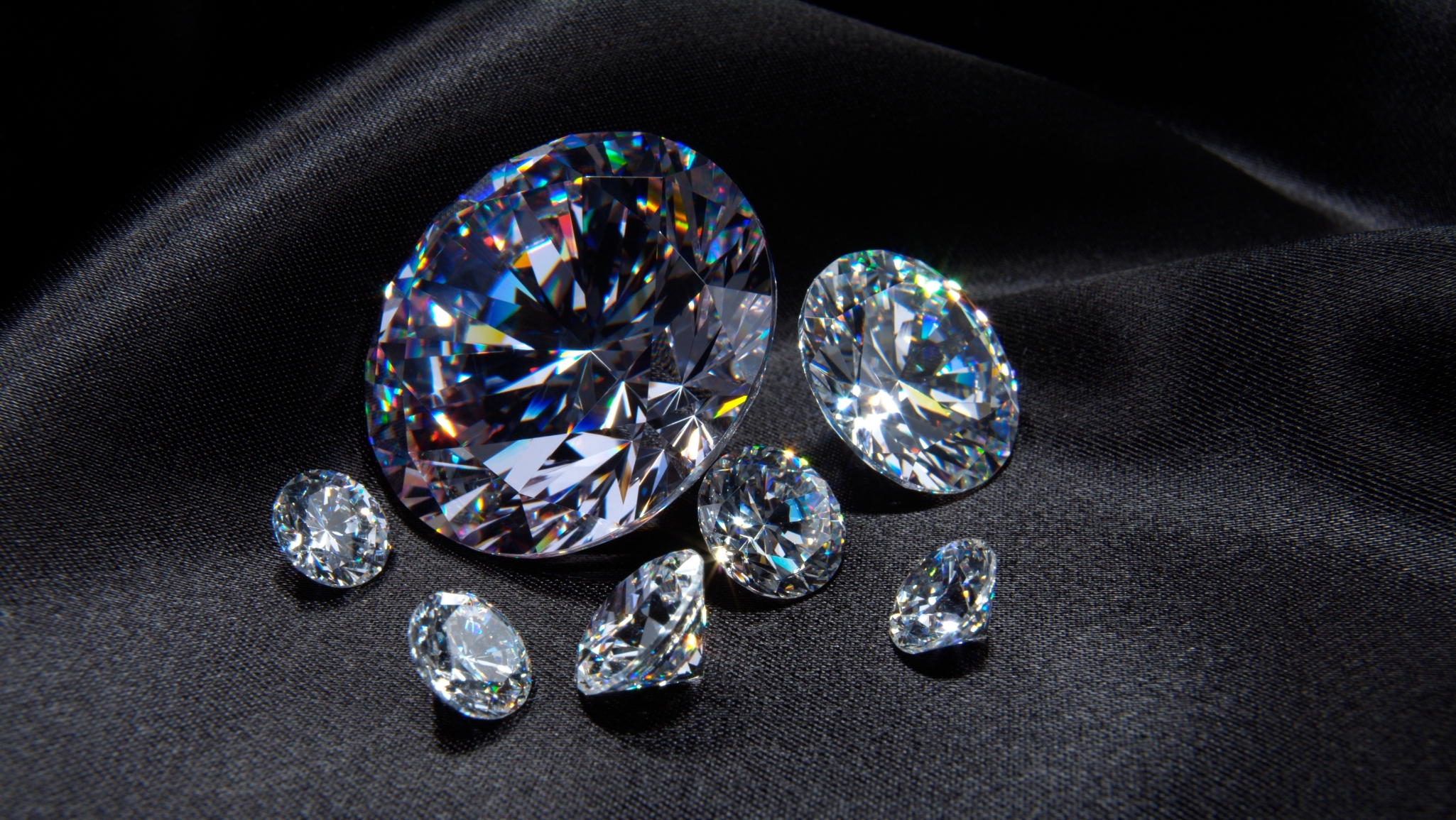
Moissanite is renowned for its brilliance and fire. In fact, it refracts light even more than a diamond, giving off rainbow-like flashes that can be incredibly eye-catching. This makes it a favorite among those looking for sparkle at a lower price point. However, some people prefer the more subtle, white sparkle of diamonds, viewing moissanite’s rainbow flash as a giveaway that it’s not a natural diamond.
Diamonds have long been the benchmark for engagement rings and luxury jewelry. Their unmatched hardness (a perfect 10 on the Mohs scale), classic appearance, and time-honored symbolism of eternal love make them a popular choice.
However, the diamond industry has faced scrutiny over the years for environmental damage and ethical concerns, particularly regarding conflict diamonds, also known as “blood diamonds.” This has opened the door for lab grown diamonds, a sustainable and ethical alternative that’s gaining traction rapidly.
Lab grown diamonds are chemically, physically, and optically identical to natural diamonds. They’re produced using high-tech processes like Chemical Vapor Deposition (CVD) or High Pressure High Temperature (HPHT), simulating the conditions under which diamonds form in the Earth’s crust. The only real difference is their origin: one comes from beneath the earth, the other from a lab.
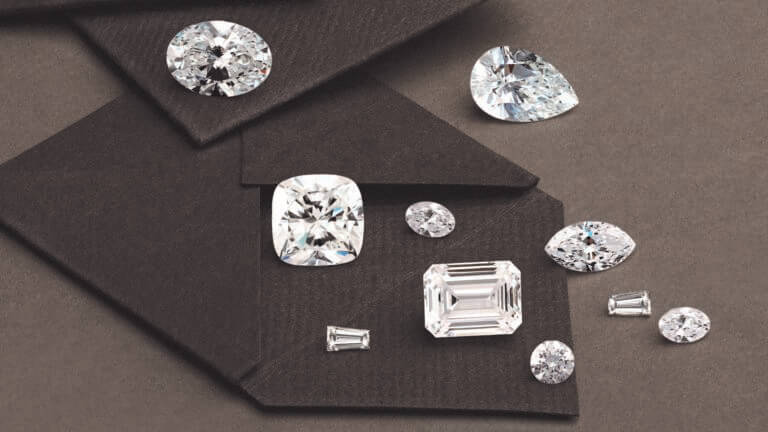
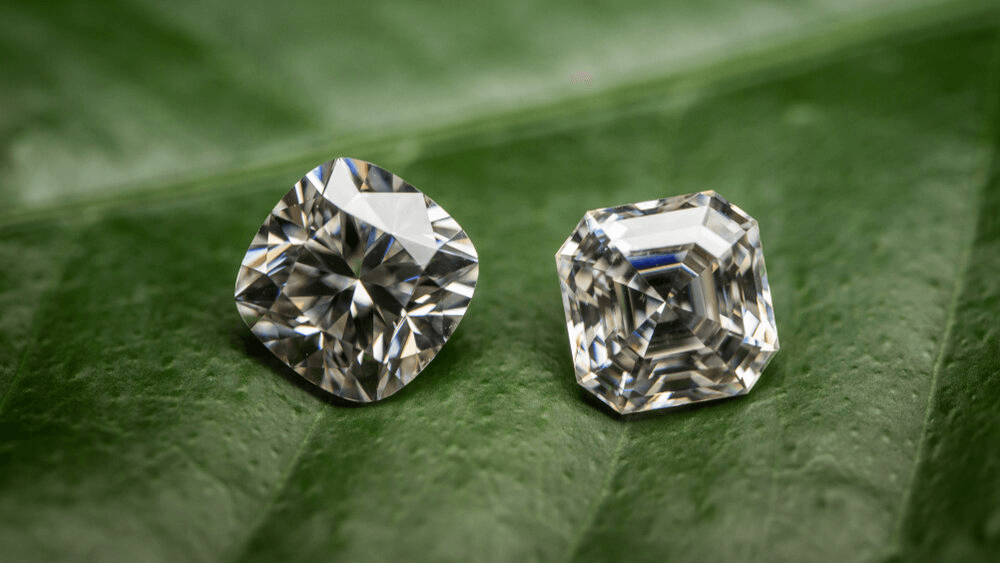
When considering moissanite vs diamond (including lab grown diamonds), the visual differences may not be noticeable at a glance, especially to the untrained eye. Yet, for those who value the details, here’s how they compare:
For lab grown diamonds, the appearance is indistinguishable from mined diamonds. They sparkle the same way, come in all standard cuts and carat weights, and can even be certified by the Gemological Institute of America (GIA) or International Gemological Institute (IGI).
Durability is a critical factor when choosing a gemstone, especially for pieces meant to be worn daily like engagement rings.
If you lead an active lifestyle or work with your hands, all three options—moissanite, natural diamond, and lab grown—are resilient choices.
This is where lab grown diamonds and moissanite truly shine.
For buyers concerned about the social and ecological impact of their jewelry, moissanite and lab-created diamonds are both excellent alternatives.
Price is often a deciding factor in the moissanite vs diamond, lab grown diamonds debate.
This difference means that couples can choose a larger or more elaborate setting without exceeding their budget, or simply save more for other life priorities.
The decision between moissanite, natural diamonds, and lab grown diamonds ultimately depends on what you value most: tradition, sparkle, sustainability, or budget.
Choose moissanite if you’re looking for maximum brilliance and affordability, and are open to a gemstone that’s not a diamond but still stunning in its own right.
Opt for a lab grown diamond if you want the prestige and look of a diamond without the environmental and ethical concerns of mining—and at a lower price.
Stick with a natural diamond if the historical significance, rarity, and timeless symbolism are important to you, and you’re prepared for the higher cost.
In the ongoing conversation around moissanite vs diamond, lab grown diamonds, there’s no one-size-fits-all answer. Each stone type brings something special to the table. What matters most is choosing the gemstone that aligns with your values, style, and budget. Whether you’re moved by moissanite’s fire, drawn to the legacy of diamonds, or inspired by the ethics of lab-grown gems, there’s a brilliant choice waiting for you.
With the growing acceptance and appeal of alternatives to traditionally mined diamonds, consumers today have more power than ever to make a thoughtful, beautiful, and responsible choice in fine jewelry.
Land O Lakes New Construction: Shaping the Future of Suburban LivingPhnom Penh Neighborhood Guide: Where to Buy Property for High Rental Yields in 2026Best Neighborhoods for Families in Minnesota Why Engaging a Developer Agent is Non-Negotiable for Lentor Gardens ResidencesThe Tapestry of Urban Dreams: Narra and Chuan Grove ResidencesPrefab House Suppliers: Redefining Modern Housing Through Efficiency and InnovationLoose Diamonds, Big Choices: Why Lab-Grown Stones Are Changing the GameChuan Park & The Sen: A Tale of Two Choices – Buy Now or Pay the Price Later?Lab Grown Diamonds UK Wholesale Buyer GuideWhat Buyers Should Look for When Choosing a Suburb: Top Tips Revealed Moissanite vs Lab Grown Diamonds: Which Stone Is Right for You?
 Lab Diamonds Explained: Everything You Need to Know
 Ohio Housing: Why Defiance, Gahanna & Dayton Are Perfect for Your Next Home
 Ohio Housing: Why Defiance, Gahanna & Dayton Are Perfect for Your Next Home
 Spark Behind the Stone: Unpacking the Lab Grown Diamonds Novita Story
 Why Platinum Engagement Rings with Lab Grown Diamonds Are Stealing the Spotlight
 Diamond Bridal Wedding Jewellery: A Modern Australian’s Guide to Choosing Pieces
.jpg "The Timeless Beauty of Vintage Engagement Rings NZ and the Rise of Lab Created Diamonds") The Timeless Beauty of Vintage Engagement Rings NZ and the Rise of Lab Created Diamonds
The Timeless Beauty of Vintage Engagement Rings NZ and the Rise of Lab Created Diamonds The Modern Elegance of Dress Rings Lab Diamonds
 Why Everyone’s Talking About the Oval Lab Grown Engagement Ring
 How Foster Remodeling Solutions Makes Your Dream Home a Reality
 Aros Diamantes de Laboratorio Are Stealing the Spotlight
 What Affects Your Home Value in Brantford
  Why Every Neighbourhood Needs a Backyard Pool Party Tradition
 What to Do When a Tree’s Leaves Turn Yellow
 Discovering Lab Diamonds Through a Comprehensive Listado de Diamantes
 Lab Grown Diamond Studs and Lab Made Diamonds: A Modern Luxury RedefinedMoissanite vs Diamond, Lab Grown Diamonds: A Modern Gemstone Dilemma
 Yellow Gold Rings: A Timeless Classic in Modern Jewelry
 Navigating Self Check-In in Italy: Legal Uncertainty and Practical Solutions for Property Managers
 Timeless Elegance: Lab Grown Diamond Studs Featuring Lab Made Diamonds
 Step-by-Step Guide to Buying Off-Plan Property in Dubai