



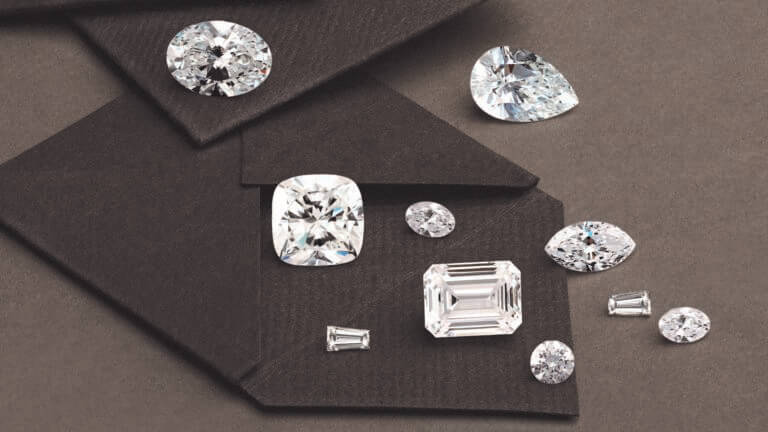


I still remember the first time a friend of mine confessed she was thinking about a lab-grown diamond for her engagement ring. She said it almost in a whisper, like she was admitting to some terrible secret. “Is it… real enough?” she asked me.
That question stuck with me.
Because, honestly, it says more about how we’ve been conditioned than about the diamond itself.
For decades, we were told there was only one “right” way to buy a diamond. It had to be mined. It had to come with a certain story. It had to cost… well, a lot. But somewhere along the way, people started asking better questions. Where does it come from? Who benefits? Is there a smarter way to do this?
And that’s when man made diamonds quietly stepped into the spotlight.
Table of Contents
If you rewind ten or fifteen years, lab-grown diamonds felt like a novelty. Something futuristic. Almost experimental. Today? They’re a serious contender — and in many cases, the preferred choice.
What surprised me most when I began digging into this topic wasn’t just the price difference. It was the science.
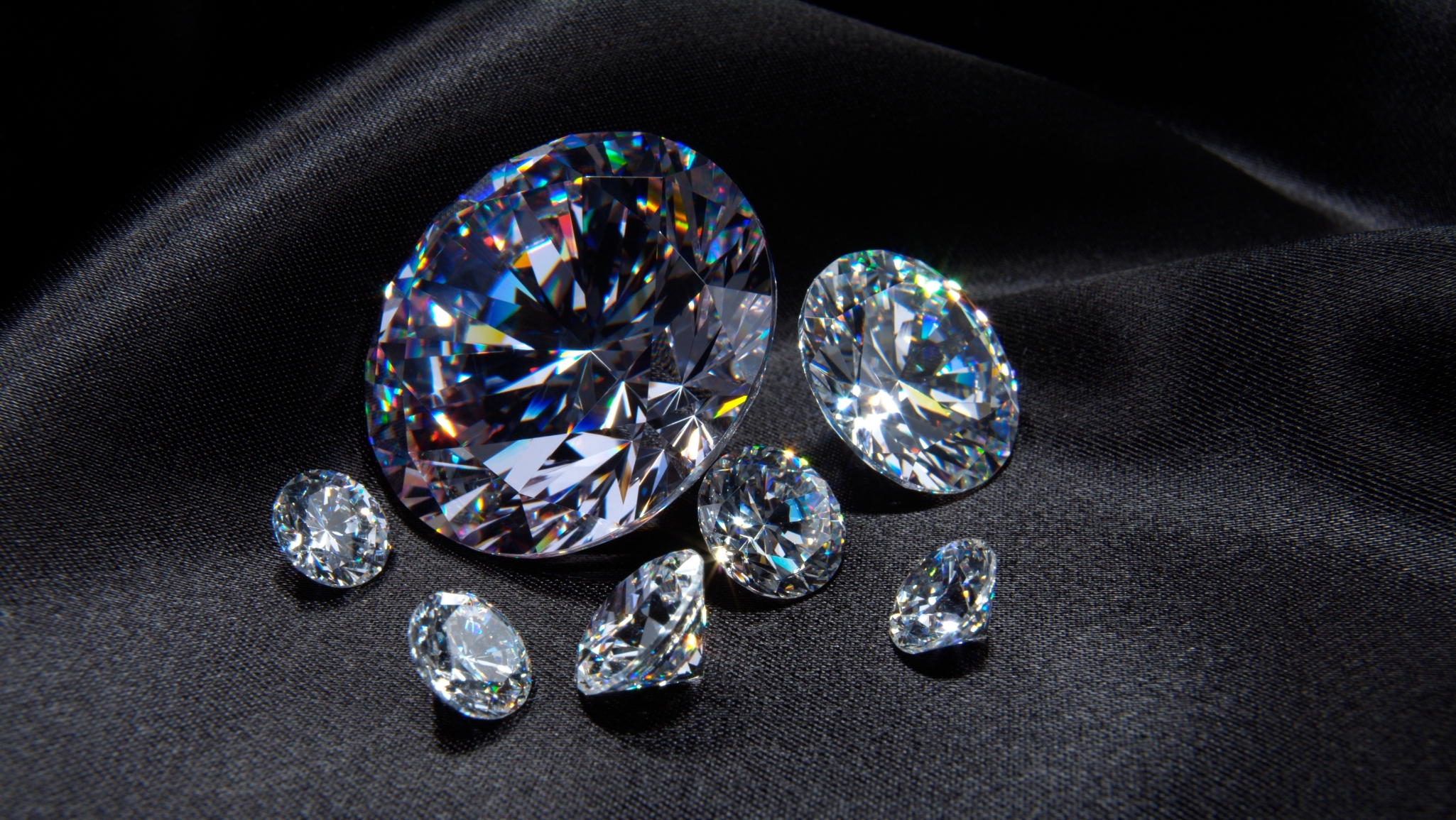
Man made diamonds aren’t fake. They aren’t cubic zirconia. They’re not some glittery imitation. They’re chemically, physically, and optically identical to mined diamonds. The only difference is where they’re formed. Instead of developing underground over billions of years, they’re created in controlled environments that replicate those same natural conditions.
That’s it.
Same carbon structure. Same hardness. Same brilliance.
The realization is almost disarming. You mean we can have the same sparkle… without the environmental impact and ethical complications? Well, yes.
Let’s be honest. Today’s consumers are sharper. We Google everything. We compare. We ask uncomfortable questions.
There’s a growing awareness around sustainability, responsible sourcing, and transparency. And diamonds — historically — haven’t always had the cleanest reputation. Even with improved regulations, many buyers still feel uneasy about the mining process.
Lab-grown diamonds offer a different narrative. They require significantly less land disruption. They avoid the social concerns tied to certain mining regions. And they allow buyers to make a choice that aligns with their values.
But it’s not just about ethics.
It’s about access.
Diamonds were once positioned as a financial stretch. You were expected to spend months of salary. That narrative felt romantic to some… and stressful to most.
With man made diamonds, the price gap is significant. Often 30–50% less than mined stones of comparable quality.
That changes everything.
Suddenly, couples can choose a larger stone without breaking their budget. Or they can allocate those savings toward a honeymoon, a home deposit, or, frankly, something more practical.
And here’s the part people don’t always say out loud: the diamond looks exactly the same.
You could place a mined diamond and a lab-grown diamond side by side, and even trained gemologists need specialized equipment to tell them apart.
So the real question becomes — what are you actually paying for?
Another interesting shift is how people are buying diamonds.
Instead of purchasing pre-set rings from display cases, more buyers are choosing loose stones and designing their own settings. There’s something empowering about selecting the exact cut, carat, clarity, and color you want — and then building the piece around it.
If you’ve ever gone down the rabbit hole of diamond specifications, you know how detailed it gets. Cushion vs. oval. VS1 vs. VVS2. E color vs. G color. It can feel overwhelming at first, but once you understand the basics, it’s oddly satisfying.
That’s where trusted online specialists come in. For example, many buyers exploring compra diamantes de laboratorio sueltos, man made diamonds find that working with a focused supplier allows them to compare certified stones in a transparent way. No sales pressure. No awkward jewelry counter conversations. Just clear information and control.
And honestly? That level of control feels very 2026.
Whenever this topic comes up, someone inevitably says, “But what about resale value?”
It’s a fair question.
The truth is, most diamonds — mined or lab-grown — don’t hold resale value the way people assume they do. Retail markups are significant. The secondary market is unpredictable. Very few people sell their engagement rings for profit.
So if the idea of a diamond as an “investment” is shaky to begin with, why not focus on what actually matters? The meaning. The design. The story you attach to it.
Besides, younger generations are redefining what luxury even means. It’s no longer about scarcity alone. It’s about intention.
Here’s something I didn’t expect: people who choose lab-grown diamonds often feel deeply connected to the decision.
It’s not just about saving money. It’s about making a conscious choice. About saying, “This feels right for us.”
One couple I interviewed told me they loved the idea that their diamond was created using advanced technology rather than extracted from the earth. It felt modern. Innovative. Forward-thinking — a reflection of their own values and careers in tech.
Another bride said she appreciated knowing her ring didn’t contribute to environmental damage. “I can look at it every day without second-guessing,” she told me.
That peace of mind? It matters more than most marketing campaigns ever acknowledged.
There’s still a lingering misconception that lab-grown means lower quality.
It doesn’t.
In fact, because these diamonds are created in controlled environments, they often have fewer impurities than mined stones. They’re graded by the same respected laboratories. They come with the same certifications.
Cut remains king. Clarity still matters. Proportions still influence brilliance.
In other words, the fundamentals of buying a great diamond don’t change. What changes is the origin story.
And for many buyers, that origin story feels cleaner, clearer, and easier to embrace.
Even traditional jewelers who once dismissed lab-grown stones are now offering them. That shift tells you something.
Markets evolve when demand evolves.
Luxury brands have started incorporating lab-grown options into high-end collections. Independent designers are building entire businesses around sustainable gemstones. What once felt niche now feels mainstream.
And I suspect we’re only at the beginning.
If I’m being honest, I used to think lab-grown diamonds were a compromise. A backup plan.
The more I’ve learned, the more that perception has flipped.
They’re not a downgrade. They’re an upgrade in many ways — ethically, financially, even technologically.
Of course, some people will always prefer mined diamonds for sentimental or traditional reasons. And that’s okay. There’s room for both.
But the stigma? That’s fading.
And maybe that’s the bigger story here. We’re witnessing a shift in what we value. Transparency over mystique. Responsibility over tradition-for-tradition’s-sake.
So where is this all heading?
I think we’re moving toward a more informed, empowered buyer. Someone who asks questions. Someone who wants beauty without unnecessary compromise.
Lab-grown diamonds fit naturally into that future.
They allow couples to celebrate milestones without financial strain. They align with evolving ethical standards. They offer customization that feels personal, not mass-produced.
And perhaps most importantly, they sparkle just as brilliantly under the light.
When my friend finally chose her ring — a stunning oval lab-grown diamond set in a minimalist band — she didn’t whisper about it anymore. She beamed. She talked openly about why she chose it. She felt proud of the decision.
That’s what this is really about.
Not just diamonds.
Choice.
And once you realize you have one, it’s hard to go back to the old way of thinking.
Because at the end of the day, a diamond’s meaning doesn’t come from how deep it was buried in the earth. It comes from the story you attach to it — the proposal, the promise, the life you build afterward.
Land O Lakes New Construction: Shaping the Future of Suburban LivingPhnom Penh Neighborhood Guide: Where to Buy Property for High Rental Yields in 2026Best Neighborhoods for Families in Minnesota Why Engaging a Developer Agent is Non-Negotiable for Lentor Gardens ResidencesThe Tapestry of Urban Dreams: Narra and Chuan Grove ResidencesPrefab House Suppliers: Redefining Modern Housing Through Efficiency and InnovationLoose Diamonds, Big Choices: Why Lab-Grown Stones Are Changing the GameChuan Park & The Sen: A Tale of Two Choices – Buy Now or Pay the Price Later?Lab Grown Diamonds UK Wholesale Buyer GuideWhat Buyers Should Look for When Choosing a Suburb: Top Tips Revealed Moissanite vs Lab Grown Diamonds: Which Stone Is Right for You?
 Lab Diamonds Explained: Everything You Need to Know
 Ohio Housing: Why Defiance, Gahanna & Dayton Are Perfect for Your Next Home
 Ohio Housing: Why Defiance, Gahanna & Dayton Are Perfect for Your Next Home
 Spark Behind the Stone: Unpacking the Lab Grown Diamonds Novita Story
 Why Platinum Engagement Rings with Lab Grown Diamonds Are Stealing the Spotlight
 Diamond Bridal Wedding Jewellery: A Modern Australian’s Guide to Choosing Pieces
.jpg "The Timeless Beauty of Vintage Engagement Rings NZ and the Rise of Lab Created Diamonds") The Timeless Beauty of Vintage Engagement Rings NZ and the Rise of Lab Created Diamonds
The Timeless Beauty of Vintage Engagement Rings NZ and the Rise of Lab Created Diamonds The Modern Elegance of Dress Rings Lab Diamonds
 Why Everyone’s Talking About the Oval Lab Grown Engagement Ring
 How Foster Remodeling Solutions Makes Your Dream Home a Reality
 Aros Diamantes de Laboratorio Are Stealing the Spotlight
 What Affects Your Home Value in Brantford
  Why Every Neighbourhood Needs a Backyard Pool Party Tradition
 What to Do When a Tree’s Leaves Turn Yellow
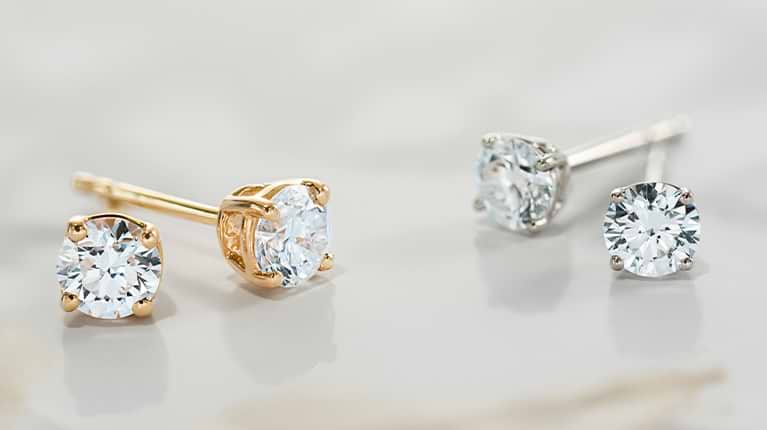 Discovering Lab Diamonds Through a Comprehensive Listado de Diamantes
 Lab Grown Diamond Studs and Lab Made Diamonds: A Modern Luxury Redefined
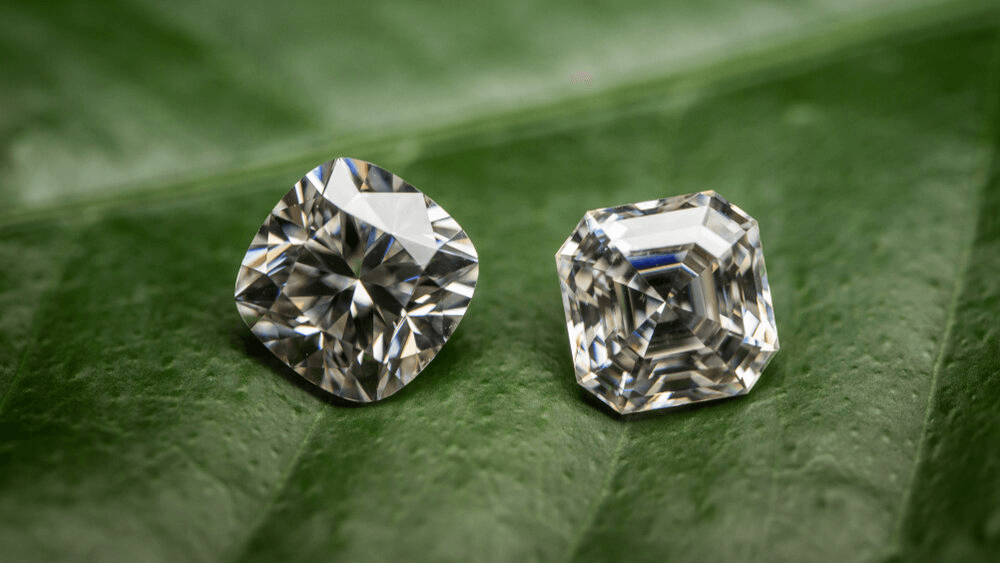 Moissanite vs Diamond, Lab Grown Diamonds: A Modern Gemstone Dilemma
 Yellow Gold Rings: A Timeless Classic in Modern Jewelry
 Navigating Self Check-In in Italy: Legal Uncertainty and Practical Solutions for Property Managers
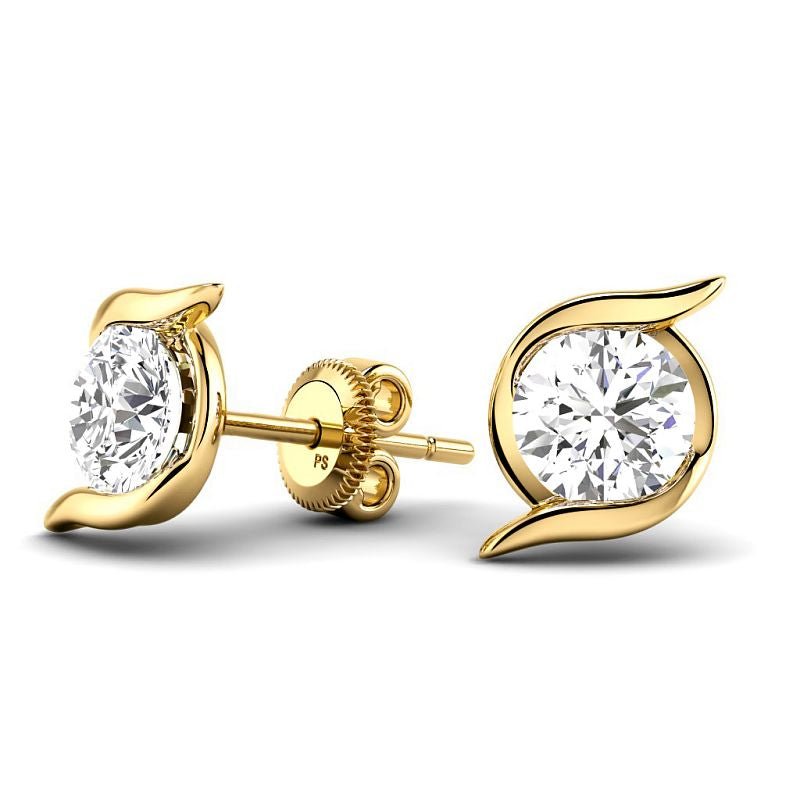 Timeless Elegance: Lab Grown Diamond Studs Featuring Lab Made Diamonds
 Step-by-Step Guide to Buying Off-Plan Property in Dubai