



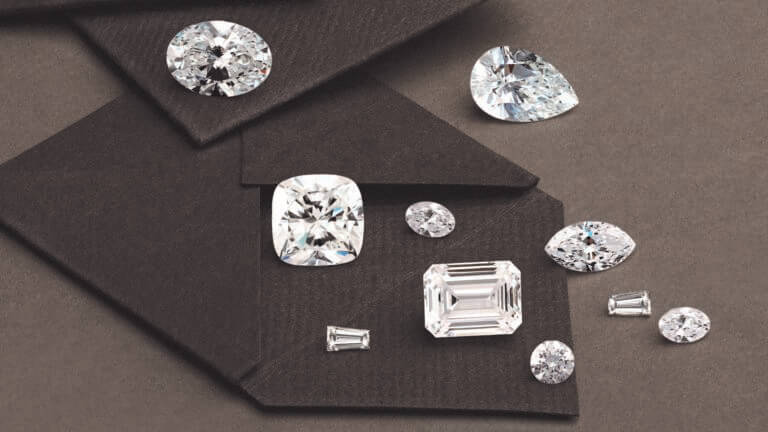


Lab made diamonds are real diamonds created in controlled environments rather than mined from the earth. They share the same chemical structure physical properties and optical behavior as mined diamonds. The difference is origin not substance.
When you look at a finished stone you cannot distinguish it by eye. Only advanced testing equipment can identify whether a diamond was grown in a lab or formed underground.
This matters because many buyers assume lab made means synthetic or imitation. That assumption is incorrect. These stones are not simulants like cubic zirconia. They are diamonds.
Table of Contents
There are two primary production methods. Each affects cost availability and consistency.
This process replicates the conditions found deep within the earth. Carbon is exposed to extreme pressure and heat until it crystallizes into diamond.
HPHT stones tend to have strong structural integrity and are often used to improve color in early stages of growth.
CVD uses a carbon rich gas in a vacuum chamber. Carbon atoms bond layer by layer onto a diamond seed.
This method allows more control over size and clarity. It is common in commercial supply chains due to scalability.
Example
A 1.50 carat CVD diamond can be grown with predictable clarity outcomes across multiple batches. That consistency matters in wholesale buying.
Wholesale buyers care about repeatability margin and risk.
Lab made diamonds offer:
If you are sourcing for resale or manufacturing you need stones that match across sets. Lab production supports that requirement better than natural sourcing.
Quality is assessed using the same framework as mined diamonds. The four factors still apply.
Cut
A precise cut controls light return. Poor cutting reduces brilliance regardless of origin.
Color
Most lab made diamonds fall between D and G. Lower colors exist but are less common in wholesale batches.
Clarity
CVD stones may show growth patterns. These are not flaws but should be evaluated for visibility.
Carat
Lab production allows access to larger stones with fewer price spikes.
You should always request grading reports from recognized laboratories. Do not rely on supplier descriptions alone.
Lab made diamonds are priced lower than mined diamonds but not uniformly cheap.
Price is influenced by:
Wholesale pricing is based on volume and repeat orders. One off purchases are rarely true wholesale.
Example
A supplier offering low prices on a single stone may not maintain the same pricing for a 50 stone order.
Wholesale in the UK usually implies trade only access. This may require proof of business registration or resale intent.
When searching for lab grown diamonds uk wholesale you are signaling that you want direct access to supply rather than retail intermediaries. That access comes with responsibility.
You need to understand minimum order quantities payment terms and return policies. These vary widely.
Risk does not disappear with lab made diamonds. It changes shape.
Key risks include inconsistent grading undisclosed treatments and unreliable delivery schedules.
You can reduce these risks by:
If a supplier cannot explain their production method clearly that is a signal.
Many buyers choose lab made diamonds for ethical reasons. While mining concerns are reduced compliance still matters.
You should confirm:
In the UK accurate representation is a legal requirement. Mislabeling stones exposes you to regulatory risk.
Resale depends on education. Customers must understand what they are buying.
Your pricing should reflect value not comparison to mined stones. Avoid anchoring explanations that create confusion.
If you are supplying manufacturers lab made diamonds simplify production planning. Sizes and grades can be reordered with fewer surprises.
They are not suitable for every buyer.
They may not fit:
Understanding your end customer matters more than wholesale pricing.
Before committing capital take these steps.
Define your required size range and clarity tolerance. Decide whether HPHT or CVD suits your use case. Shortlist suppliers who provide full documentation. Test with a small order.
If you are actively evaluating lab grown diamonds uk wholesale options this process prevents costly errors.
Yes. UK regulations recognize lab made diamonds as real diamonds as long as their origin is clearly disclosed.
No. You must clearly state that the diamonds are lab made. Failure to do so creates legal and reputational risk.
No. Pricing varies based on volume consistency and supplier production capacity. Comparing like for like parcels is essential.
Land O Lakes New Construction: Shaping the Future of Suburban LivingPhnom Penh Neighborhood Guide: Where to Buy Property for High Rental Yields in 2026Best Neighborhoods for Families in Minnesota Why Engaging a Developer Agent is Non-Negotiable for Lentor Gardens ResidencesThe Tapestry of Urban Dreams: Narra and Chuan Grove ResidencesPrefab House Suppliers: Redefining Modern Housing Through Efficiency and InnovationLoose Diamonds, Big Choices: Why Lab-Grown Stones Are Changing the GameChuan Park & The Sen: A Tale of Two Choices – Buy Now or Pay the Price Later?Lab Grown Diamonds UK Wholesale Buyer GuideWhat Buyers Should Look for When Choosing a Suburb: Top Tips Revealed Moissanite vs Lab Grown Diamonds: Which Stone Is Right for You?
 Lab Diamonds Explained: Everything You Need to Know
 Ohio Housing: Why Defiance, Gahanna & Dayton Are Perfect for Your Next Home
 Ohio Housing: Why Defiance, Gahanna & Dayton Are Perfect for Your Next Home
 Spark Behind the Stone: Unpacking the Lab Grown Diamonds Novita Story
 Why Platinum Engagement Rings with Lab Grown Diamonds Are Stealing the Spotlight
 Diamond Bridal Wedding Jewellery: A Modern Australian’s Guide to Choosing Pieces
.jpg "The Timeless Beauty of Vintage Engagement Rings NZ and the Rise of Lab Created Diamonds") The Timeless Beauty of Vintage Engagement Rings NZ and the Rise of Lab Created Diamonds
The Timeless Beauty of Vintage Engagement Rings NZ and the Rise of Lab Created Diamonds The Modern Elegance of Dress Rings Lab Diamonds
 Why Everyone’s Talking About the Oval Lab Grown Engagement Ring
 How Foster Remodeling Solutions Makes Your Dream Home a Reality
 Aros Diamantes de Laboratorio Are Stealing the Spotlight
 What Affects Your Home Value in Brantford
  Why Every Neighbourhood Needs a Backyard Pool Party Tradition
 What to Do When a Tree’s Leaves Turn Yellow
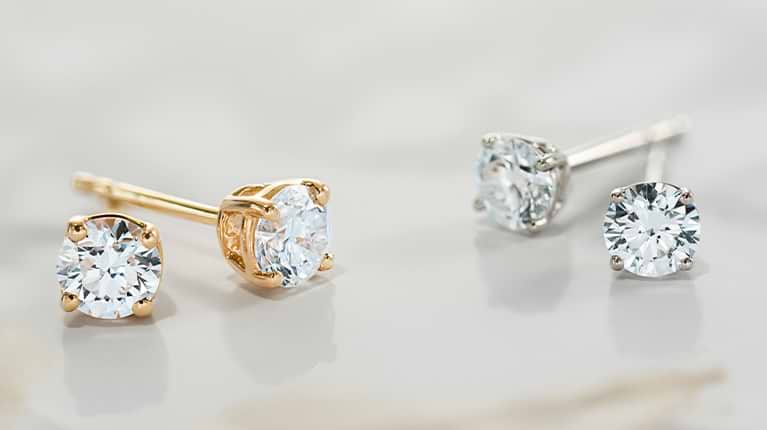 Discovering Lab Diamonds Through a Comprehensive Listado de Diamantes
 Lab Grown Diamond Studs and Lab Made Diamonds: A Modern Luxury Redefined
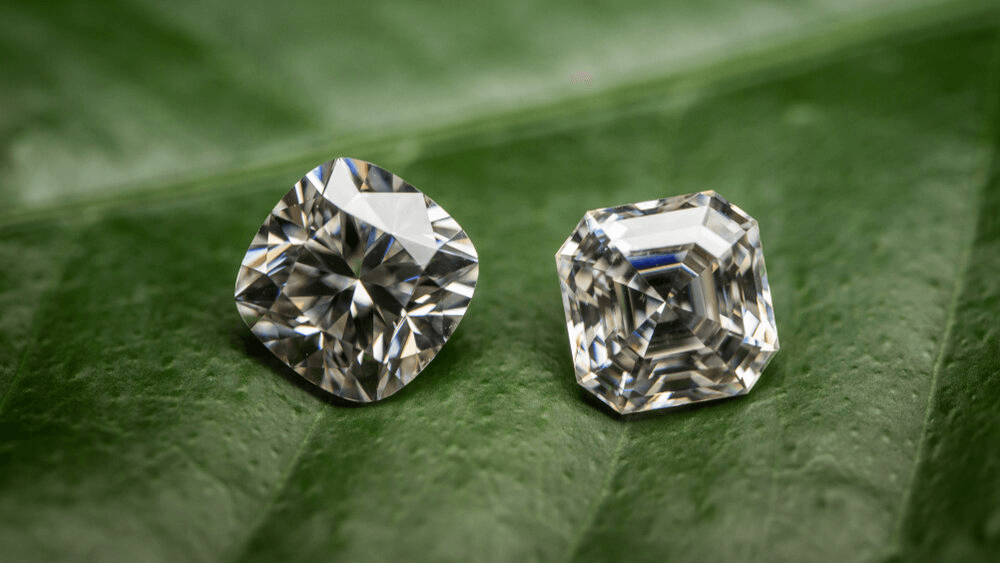 Moissanite vs Diamond, Lab Grown Diamonds: A Modern Gemstone Dilemma
 Yellow Gold Rings: A Timeless Classic in Modern Jewelry
 Navigating Self Check-In in Italy: Legal Uncertainty and Practical Solutions for Property Managers
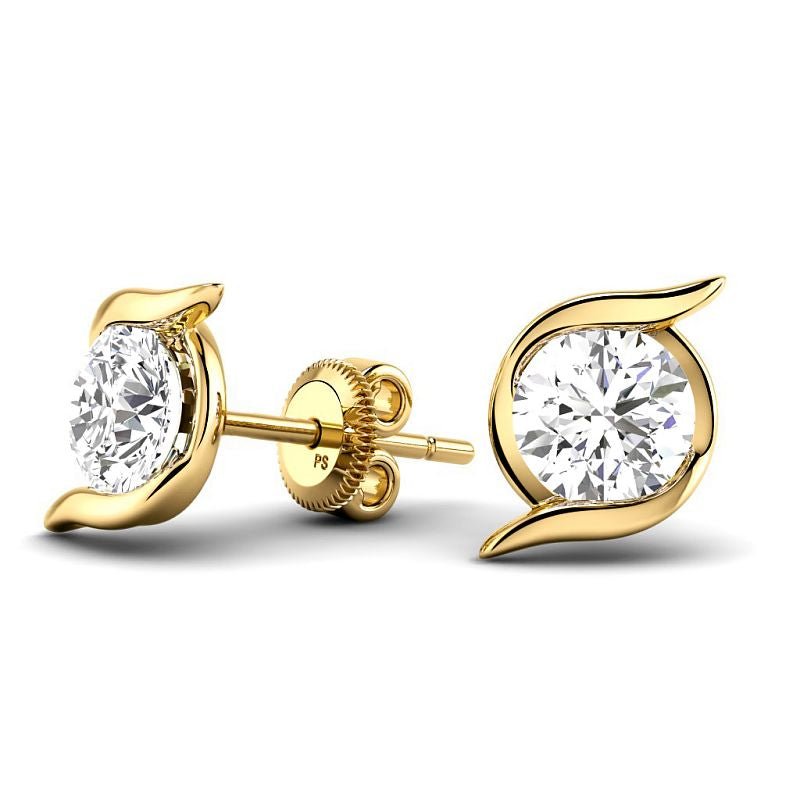 Timeless Elegance: Lab Grown Diamond Studs Featuring Lab Made Diamonds
 Step-by-Step Guide to Buying Off-Plan Property in Dubai