






The whispers in Singapore’s property market are growing louder, a symphony of calculated risks and tempting opportunities. At the heart of this murmur lie two prominent developments: Chuan Park and The Sen. While seemingly distinct, they both present a compelling narrative centered on a fundamental question that every discerning buyer grapples with: is it better to buy now and secure a perceived advantage, or hold back and risk paying a steeper price later?
Chuan Park, with its enticing proposition of being “cheaper than 2026 land cost,” paints a picture of present-day value that’s hard to ignore. The implication is clear: the current price, when benchmarked against what land for similar developments might command just a few years down the line, offers a tangible financial advantage. This isn’t just about a bargain; it’s about foresight. It suggests that savvy buyers can lock in an asset at a rate that anticipates future appreciation driven by escalating land acquisition costs.
For those who believe in the long-term trajectory of Singapore’s property market, particularly in well-established or strategically located areas, Chuan Park presents a golden opportunity. The argument for buying now is rooted in economics: capitalising on a market condition that is unlikely to persist. The “price later” in this scenario isn’t necessarily a monetary one, but rather a missed opportunity for superior returns. By purchasing at a rate that already discounts future land costs, buyers are effectively getting a head start on their investment’s growth. The risk, however, lies in the assumption that land costs will indeed rise as projected, and that Chuan Park’s current pricing accurately reflects this future reality, without unforeseen local market shifts or economic downturns.
The Sen enters the conversation with a different, yet equally compelling, value proposition: “$400psf cheaper than other RCR launch.” This statement speaks directly to immediate market competitiveness within the Rest of Central Region (RCR). The RCR is a coveted segment, offering proximity to the city core without the stratospheric prices of prime districts. For developments in this area, a $400 per square foot discount is not a minor difference; it’s a significant draw that can shift the decision-making process for a broad spectrum of buyers.
Here, the “buy now” argument is about securing a prime location at a comparatively accessible price point. It’s about acquiring a piece of a desirable urban landscape before it inevitably catches up to the prices of its more central counterparts. The “price later” here is more direct: if not purchased now, buyers will likely face higher prices for similar RCR offerings in the future. The appeal of The Sen is the immediate financial gratification, the feeling of making a smart move while others are still deliberating. The potential downside is that the “cheaper” factor might be a short-term lure, and long-term market dynamics could see other RCR projects either catch up in price or offer superior amenities and future growth potential that justifies their higher initial cost.
Both Chuan Park and The Sen, in their own ways, are urging potential buyers to consider the temporal aspect of their purchase. They highlight a perceived disparity between current value and future cost.
For Chuan Park, the focus is on the long-term financial optimization. It’s a play for those who see beyond the immediate and are willing to invest based on anticipated market trends. The “price later” is the regret of not securing an asset at a foundational cost that reflects future realities.
For The Sen, the emphasis is on immediate affordability and strategic positioning. It’s for those who want to capitalize on current market dynamics and secure a desirable location at a competitive rate. The “price later” is the premium they might have to pay for a similar RCR address if they delay.
Ultimately, the choice between Chuan Park and The Sen, and indeed between buying now or later, boils down to individual financial capacity, risk appetite, and investment goals. It’s a strategic dance between seizing present opportunities and preparing for future realities. Do you buy the property that offers a discount based on future land costs, betting on long-term appreciation driven by scarcity? Or do you opt for the property that offers an immediate discount in a highly competitive segment, aiming to secure a desirable location before prices inevitably climb?
The market, as always, will provide the ultimate answer. But for those standing at the crossroads of Chuan Park and The Sen, the question remains: will you buy now and reap the rewards of foresight, or are you prepared to pay the price for waiting?
Land O Lakes New Construction: Shaping the Future of Suburban LivingPhnom Penh Neighborhood Guide: Where to Buy Property for High Rental Yields in 2026Best Neighborhoods for Families in Minnesota Why Engaging a Developer Agent is Non-Negotiable for Lentor Gardens ResidencesThe Tapestry of Urban Dreams: Narra and Chuan Grove ResidencesPrefab House Suppliers: Redefining Modern Housing Through Efficiency and InnovationLoose Diamonds, Big Choices: Why Lab-Grown Stones Are Changing the GameChuan Park & The Sen: A Tale of Two Choices – Buy Now or Pay the Price Later?Lab Grown Diamonds UK Wholesale Buyer GuideWhat Buyers Should Look for When Choosing a Suburb: Top Tips Revealed Moissanite vs Lab Grown Diamonds: Which Stone Is Right for You?
 Lab Diamonds Explained: Everything You Need to Know
 Ohio Housing: Why Defiance, Gahanna & Dayton Are Perfect for Your Next Home
 Ohio Housing: Why Defiance, Gahanna & Dayton Are Perfect for Your Next Home
 Spark Behind the Stone: Unpacking the Lab Grown Diamonds Novita Story
 Why Platinum Engagement Rings with Lab Grown Diamonds Are Stealing the Spotlight
 Diamond Bridal Wedding Jewellery: A Modern Australian’s Guide to Choosing Pieces
.jpg "The Timeless Beauty of Vintage Engagement Rings NZ and the Rise of Lab Created Diamonds") The Timeless Beauty of Vintage Engagement Rings NZ and the Rise of Lab Created Diamonds
The Timeless Beauty of Vintage Engagement Rings NZ and the Rise of Lab Created Diamonds The Modern Elegance of Dress Rings Lab Diamonds
 Why Everyone’s Talking About the Oval Lab Grown Engagement Ring
 How Foster Remodeling Solutions Makes Your Dream Home a Reality
 Aros Diamantes de Laboratorio Are Stealing the Spotlight
 What Affects Your Home Value in Brantford
  Why Every Neighbourhood Needs a Backyard Pool Party Tradition
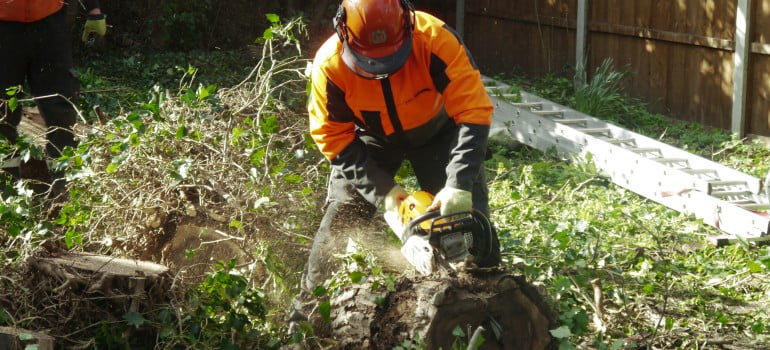 What to Do When a Tree’s Leaves Turn Yellow
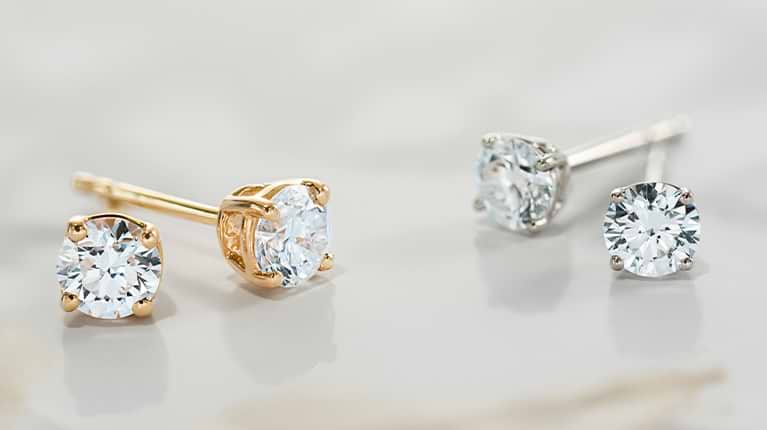 Discovering Lab Diamonds Through a Comprehensive Listado de Diamantes
 Lab Grown Diamond Studs and Lab Made Diamonds: A Modern Luxury Redefined
 Moissanite vs Diamond, Lab Grown Diamonds: A Modern Gemstone Dilemma
 Yellow Gold Rings: A Timeless Classic in Modern Jewelry
 Navigating Self Check-In in Italy: Legal Uncertainty and Practical Solutions for Property Managers
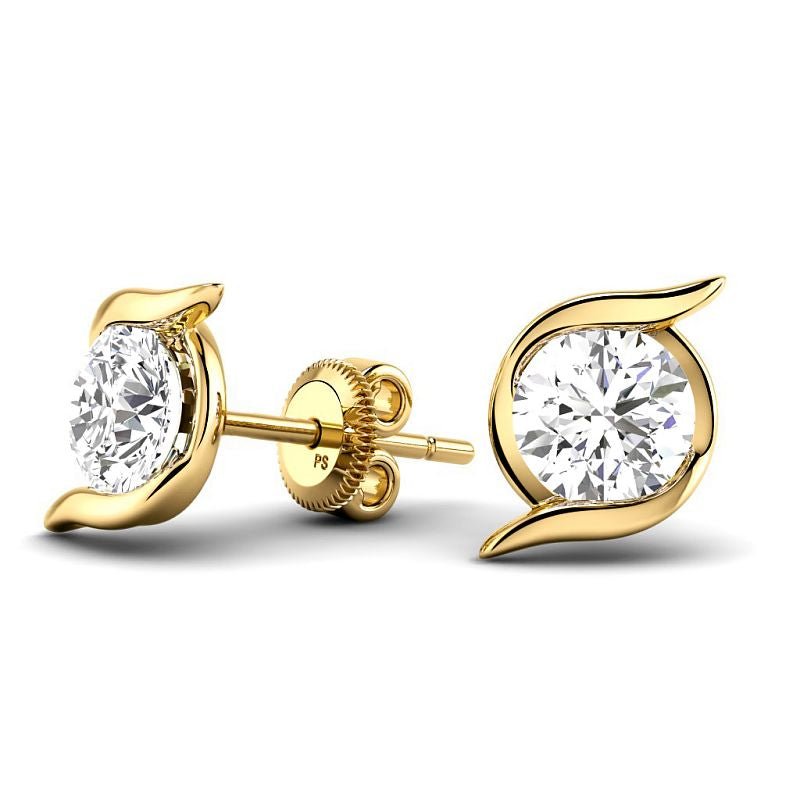 Timeless Elegance: Lab Grown Diamond Studs Featuring Lab Made Diamonds
 Step-by-Step Guide to Buying Off-Plan Property in Dubai